
Strong Until We Aren't
Optimizing for efficiency and resilience

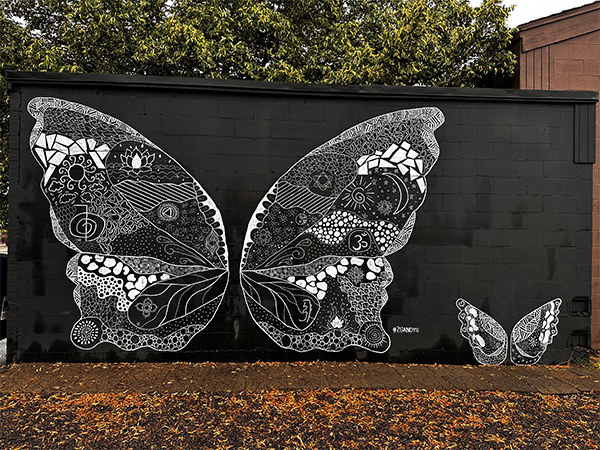
Venation: the arrangement of veins in a leaf, or grass, or an insect’s wings. When optimized for efficiency, they run in parallel. They produce enormous amounts of energy. Chutes of grass. But a small amount of damage cuts off and destroys an entire corridor.

When optimized for resilience (reticulation, longitudinal support), damage or blockage is absorbed, and things reroute. The butterfly bravely fights on. But here’s the thing - we can’t run reticulate systems everywhere. The cost is too high in our lives. Too much maintenance, limitations on calendars syncing, costs, and divergent goals. We go mad with planning and anxiety. Getting to the moon is one thing; building an ecosystem to live on the moon quite another.
So we build in the opposite direction. We choose the single best diet for weight. We optimize our workday to be radically efficient. And when those parallel veins suffer a cut, we go off the rails - depression, drinking, or worse (domestic violence).
Being orphaned of both parents now and watching friends and classmates fly off into the ether, I spend a lot of time observing where I’m putting energy and re-applying it. It goes wrong. A lot. But the alternative is worse. The simple-but-not-easy question is this: Which of your networks and plans can afford to run parallel, and which ones can’t?
If you have a run at a parallel-based goal (a marathon, a product launch, saving for a vacation), you accept risk and an overload of resources on the project. If it fails, you move on. Regroup and rebuild. The cost is real but not permanent. But what does your reticulate network look like? Some combination of your faith, your family and friends? Your occupational killset? We have to pause and figure it out. It seems straightforward on the surface, but how many times have we architected a single point of failure into a career objective or a relationship, or our sense of self?
Remember this: the leaf doesn’t know the frost is coming. You do.